

About
Boarding School Concern (BSConcern) was formed in 2019 as Boarding School Survivors – Support (BSS-Support), a successor organisation to Boarding Concern, which had operated in the field for nearly two decades. Our aim is to ensure support is available for former boarders who were sent away from home as children and find the experience has been damaging.
BSConcern:
- Believes sending children away to boarding school can harm their emotional development
- Supports former boarders addressing boarding issues they become aware of in their adult lives
- Supports partners and family members of former boarders
- Gives help and information about possible boarding issues to prospective boarding parents
- Supports research into the effects of boarding
- Publishes books and articles on boarding issues
- Responds to enquiries from the press and the public about boarding issues
- Holds regular conferences addressing present and former boarders’ issues
- Publishes regular newsletters
- Welcomes contact and letters and responds to all enquiries confidentially
- Above all, helps former boarders concerned about their time at school know that they are not alone
If you have experienced child sexual abuse or have any issues with this in connection with boarding school, please write to us and we are can put you in touch with people and organisations that are appropriately experienced and qualified to offer help.
Sam Barber, Co-founder and Director

I attended boarding schools 1991 – 2001. Having sought psychotherapy since 2006, I came to realise the contribution of boarding schools and being sent away at eight to my difficulties. As a consequence, I have sought to raise awareness of the psychological dangers of boarding schools and to help others who might have been through similar difficulties to me. I am an Alexander Technique teacher and I also volunteer as a horticultural therapist. I enjoy music and sports.
Paul Fray, Director

I was sent away to boarding school at the age of eight. While I was successful at school, I hated being away from home and dreaded the beginning of term right up until I left aged 18.
I did not realise the effect of boarding until I was in my 40s, when my own children went to a boarding school as day boys.
It was the reminder of my time at school that brought up unmanageable feelings that I had to seek help with.
A combination of Nick Duffell’s Boarding School Survivors weekends and nine years of one-to-one therapy brought me to an understanding of what had happened to me and how it continued to affect my life. Exchanging experiences with other Boarding School Survivors continues to be a great help in bringing some acceptance, and it provides pointers to ways of living with the emotional and developmental damage I have suffered.
Boarding school changed me for life, and not in a good way. I now know what happened to me, and I know how to recognise the effects when they appear – and I manage it successfully, I think.
My career has been in scientific research, computer manufacturing and business management. Now retired, I am busier than ever with a number of projects in business, the arts and, of course, Boarding School Concern.
Mike Dickins, Director

I went to boarding schools from the age of seven. Mostly I’ve been ashamed to admit this – bastions of privilege as they are perceived – but for a while I remained strongly attached to them particularly after I joined the Royal Navy. It took regular meetings with a Presbyterian minister for me to begin to understand that these schools may have caused, rather than alleviated, my emotional detachment and isolation.
In my first term I cried more or less continuously for about three weeks – in front of my locker, at my teachers, under my bed covers – until I managed to conceal it all. I was then beaten. And then again in my second term. After that, and having been deserted by my closest friend, I became a model of excellence – pleasing everyone I could 24/7 until I got my Rugby colours, became Head of School, got scholarships, sponsorships and praise wherever I could. This pattern I repeated and repeated – and it is a massively tiring one.
Having attempted – not very successfully – to write my own autobiography of boarding school life, I then found Nick Duffell’s book, attended a BSS conference, and joined a survivors’ course. The road has been a long one, but there was never really any other option for me other than to walk it. The journey is ongoing! Meanwhile I qualified as a Person Centred counsellor, but currently I head a History and Politics department in a secondary day school in Cheshire.
It is my belief that the (now – allegedly – sanitised) horrors of boarding school shadow the huge emotional damage that ruptured attachment scars onto the children of this deeply ingrained system. And such broken attachment – it is my feeling – was dealt to every single boarder, past and present.
Hence my long held desire to contribute to this quiet, small, but warm organisation which is there for anyone who feels forced – finally – to confront the difficult reality of their past schooling.
Tim Bray, Director
I was sent to boarding school from the age of eight, when my parents moved to Taiwan. During the four years they lived there I saw them twice a year, at Christmas and in the summer holidays.
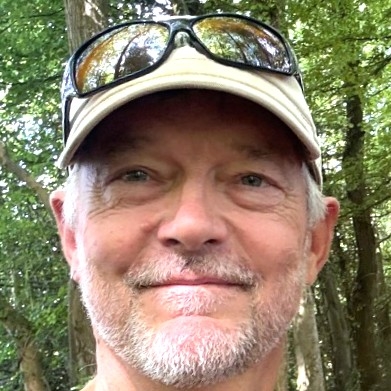
I went on to a senior school and boarded until I was eighteen. I emerged from those experiences ill-equipped to cope with the adult world, in particular intimate relationships, and pretty soon I realised that I needed help to understand what had happened to me. I was highly anxious, self-medicating with drugs and alcohol and generally pretty miserable. A series of therapists followed, then eventually training as a therapist myself.
I now know what happened, how my attachment to my parents and siblings was ruptured by the forced separation. I emerged with a brittle self-confidence masking fear, loneliness and great difficulties in forming close bonds with others. Not a great foundation for life!
The rest of my personal and professional life has been about repairing the damage, building a family and a small network of close friends. I attended Nick Duffell’s weekend workshop many years ago and have attended the annual conference several times. It gets easier as the years go by, and by volunteering to become a director of BSConcern I am both wanting to give something back to this amazing organisation and to tie myself in to a community of fellow survivors looking to heal and grow, and that I know will be good for me.
Caroline Rollings, Director

I was sent to boarding school the day after my 7th birthday. After leaving school I became a Nurse, developing a particular interest in supporting people with stress and anxiety and with an aim of helping them to build wellbeing into their lives. I studied psychodynamic therapy and practiced within primary care, then built wellbeing courses in both the NHS and wider before doing an MBA and becoming Lead Nurse and then Managing Partner. I now work at the National Association of Primary Care as their Wellbeing Lead, and jointly chair the One Voice Group, representing the Royal
Medical Colleges with an aim of raising the wellbeing agenda in a beleaguered NHS. I volunteer for SHOUT (85258) a 24/7 online texting crisis service.
It wasn’t until I reached my 40s that I started to understand some of the dynamics of needing to care for others above anything else, the exhaustion that can go with that alongside forever working to be successful, finally to understand the huge impact that boarding school had on my life.
I had the courage to write to BSConcern and received the kindest letter back, which I found incredibly moving. I then was lucky enough to have a one-off session with Nick Duffell and I can still remember his words, “They won’t shame you, you have been shamed enough”, which gave me the courage to attend a Boarding School Survivors weekend. Although tough, I found it liberating and learnt a huge amount. I was then able to write a chapter for the book Finding our Way Home – Women’s Accounts of Being Sent to Boarding School.
I find the world of BSConcern with its annual conference, a special, caring and supportive space where we are understood, which means such a lot. I am thrilled to join the Directors and play a small part in an organisation that I value highly.
Charlotte Sharpe, Director

I was sent to board aged eight and boarded for the rest of my school career, leaving just before I turned 18. Like so many, I thought I had been one of the lucky ones having had a private education in well thought of private boarding schools. My first career after University was as a Fund Manager in the City of London; I was then a stay at home mum before embarking on my post-graduate counselling training at Brighton University.
It was not until I started looking at boarding schools for my
own children that I really began to question my own boarding experience, as I found that I could not make the same choice for my children as my parents had made for me. During my counsellor training in 2015 I began to explore and understand the trauma I had suffered being sent away to board.
I am now a BACP registered psychotherapeutic counsellor with a specialism in working with ex-boarders having graduated from Nick Duffel’s Diploma in Specialist Psychotherapy with ex-boarders. I believe individuals survive the experience of boarding, and the varying degrees of psychological and physiological harm done during their boarding years can stay with individuals for the rest of their lives. I have worked with ex-boarders based in the UK and overseas, and I have felt honoured to help those clients as they move from a position of surviving to living. I feel it is paramount to highlight the hidden cost that can come with boarding, and I hope to be able to raise public awareness of the impact of boarding as well as providing hope to ex-boarders within my role as a director.
John Stanley, Director

Like my fellow directors, I’m a boarding school survivor. I became aware of boarding school syndrome in 2022, along with an organised movement of former pupils at my school demanding answers and more about a generation of criminal abuse that took place in the 1980s and 1990s, when I attended. With the help of a specialist therapist and multiple groups of other survivors, I have managed to lift the burden and some of the damage that has blighted my life considerably; it has been a difficult, but extraordinary journey.
I would like to return something to the movement and help other people find a better path. It feels like there’s still a gap between realising that you have been damaged, but remaining ‘stuck’ in the same patterns that have served you, often for many decades. I hope to bring experience in digital communication and journalism as well as user experience design to spread the message wider and make sure we are aiming at the right targets.
There are a large number of people walking around today, often moving into middle age – some globally famous – who have been damaged and often fully broken by boarding school, and feel like there is no hope. I know there are other paths and other possibilities and I’d like to help other people find them.